Insinc Insights
-
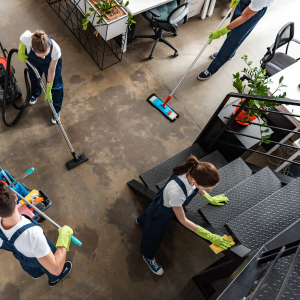 Maintaining a fresh and pleasant atmosphere in your workplace isn’t just about cleanliness—it’s also about how your spaces smell. Meeting rooms, restrooms, and kitchens are high-use areas that benefit significantly from targeted scent strategies. Using the right air freshening approach in each of these environments can enhance employee satisfaction, improve client impressions, and support overall hygiene.Posted: Friday 22 August 2025
 -
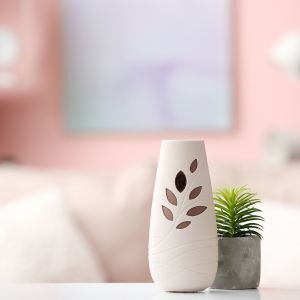 Maintaining a consistently fresh environment in commercial spaces is essential for positive first impressions and ongoing staff satisfaction. One common question businesses face is how often air fresheners should be replaced to remain effective. The answer varies depending on the product type, room usage, and air circulation. Here’s a complete guide to help you optimise your air freshening routine.Posted: Friday 22 August 2025
 -
 When it comes to maintaining a fresh, inviting office environment, the choice between using a fragrance or an odour neutraliser is more important than many realise. The right solution can boost workplace morale, enhance visitor impressions, and reflect your brand values. But what’s the difference between the two, and which is the better fit for your commercial space?Posted: Friday 22 August 2025
 -
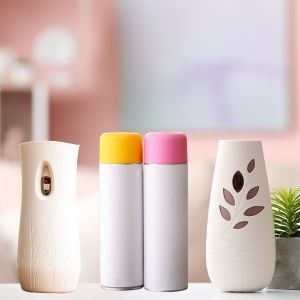 Choosing the right air freshener for your commercial space is about more than just picking a nice scent. The format, function, and fragrance delivery all impact the effectiveness of air care in your workplace. Understanding the different types of air fresheners helps ensure you create a pleasant, professional, and hygienic environment for both staff and visitors.Posted: Friday 22 August 2025
 -
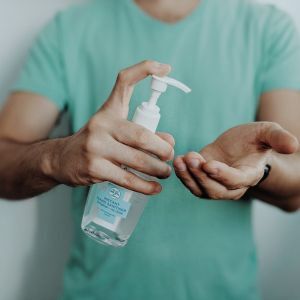 For NZ workplaces, cost-effectiveness is about more than just price—it’s about balancing product performance, employee preference, and refill frequency. Gel and foam hand sanitisers each have unique benefits and cost considerations that can impact your bottom line.Posted: Friday 15 August 2025
 -
 In NZ offices, hand sanitiser is a key part of workplace hygiene, but should you opt for wall-mounted dispensers or pump bottles? Each option offers unique benefits and challenges, and your decision will depend on office size, layout, and usage habits. This blog compares both options and offers placement recommendations to maximise hygiene.Posted: Friday 15 August 2025
 -
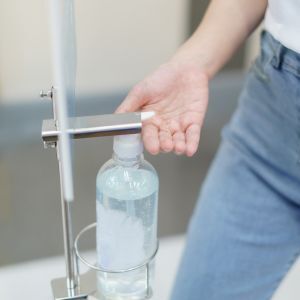 Providing the right number of hand sanitiser dispensers in your NZ workplace is essential for keeping staff, visitors, and customers safe. Too few, and people may skip sanitising altogether. Too many, and you risk wasted resources. This guide covers how to calculate your dispenser needs, the best placement strategies, and the dispenser types that suit different environments.Posted: Friday 15 August 2025
 -
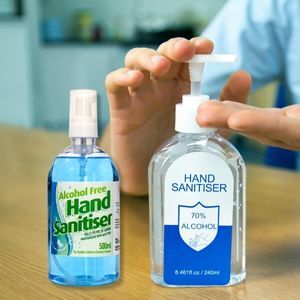 In NZ workplaces, hand sanitiser is an essential hygiene tool, but not all sanitisers are created equal. The two main types—alcohol-based and alcohol-free—each have unique benefits and limitations. Understanding the differences helps you choose the right product for your environment, staff needs, and compliance requirements.Posted: Thursday 14 August 2025
 -
 Strategic placement of hand sanitiser dispensers is essential for maximising hygiene in NZ workplaces. Placing dispensers in the right spots encourages frequent use, reduces the spread of germs, and helps create a safer, healthier work environment. With the right plan—and the right products from Insinc Products—you can make hand hygiene a seamless part of your daily operations.Posted: Thursday 14 August 2025
 -
 For New Zealand businesses, choosing the right type of hand sanitiser can impact hygiene compliance, employee comfort, and even operational costs. The two most common types—foaming and gel—each offer distinct advantages. Understanding how they perform in different workplace settings will help you choose the option that fits your hygiene goals.Posted: Thursday 14 August 2025
 -
 In NZ workplaces, the decision between alcohol-based and alcohol-free hand sanitiser isn’t just about ingredients—it’s about where and how each type works best. Different industries face unique hygiene challenges, and matching the right sanitiser to the right setting can improve safety, comfort, and compliance. This guide explores use cases for each type across various workplace environments, highlighting benefits, drawbacks, and Insinc Products recommendations.Posted: Thursday 14 August 2025
 -
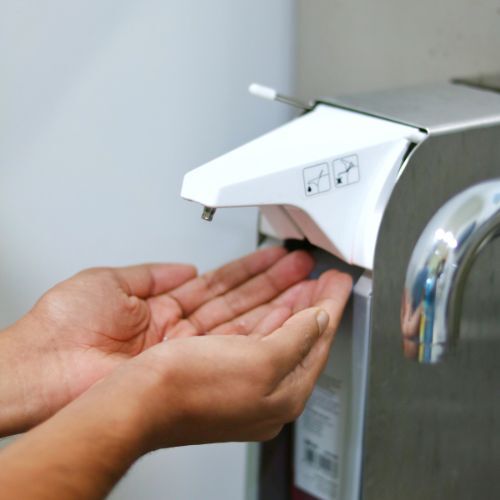 Hand sanitiser is now a staple in NZ workplaces, but choosing the right type of dispenser can make a big difference in accessibility, hygiene, and workplace efficiency. The two most common options—wall-mounted dispensers and desktop bottles—each have their strengths. Your choice should depend on your office layout, staff habits, and workplace hygiene goals.Posted: Thursday 14 August 2025
 -
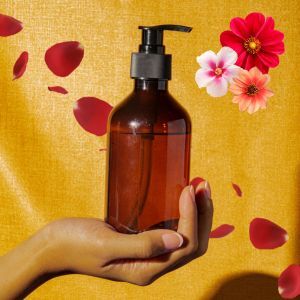 When it comes to eco soap for commercial use, a common question is: should you go fragrance-free or choose a lightly fragranced option? Both can be kind to the planet and effective for hygiene, but the right choice often depends on workplace policies, staff preferences, and the type of environment you’re working in. Let’s break down the differences so you can make the best decision for your business in New Zealand.Posted: Monday 4 August 2025
 -
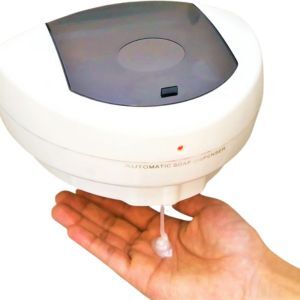 As more New Zealand businesses embrace sustainability, many are switching to eco-friendly hand wash products. But a common question arises: Can eco hand wash be used in commercial dispensers? The answer is yes—and it’s often easier than you might think.Posted: Monday 4 August 2025
 -
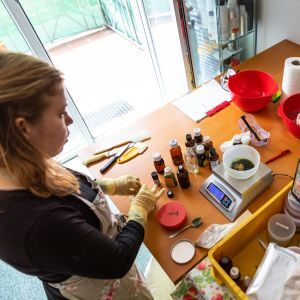 Eco soap isn’t just a marketing buzzword—it’s a proven way to get hands clean while keeping environmental impact low. As more New Zealand businesses look for sustainable hygiene solutions, it’s worth understanding how eco-friendly soap works and why it performs just as well as traditional options. Let’s take a closer look at what goes into commercial eco soap—whether fragranced or fragrance-free—and why it’s effective without compromise.Posted: Monday 4 August 2025